The construction would be simpler if water was flowing exactly at the same time.
It doesn’t.
The amount of wastewater that enters a residential system could vary over the course of the day. Industrial and commercial buildings may experience operating peaks. Stormwater conditions can dramatically change in response to weather conditions. The demand for clean water can also increase and falls based on application.
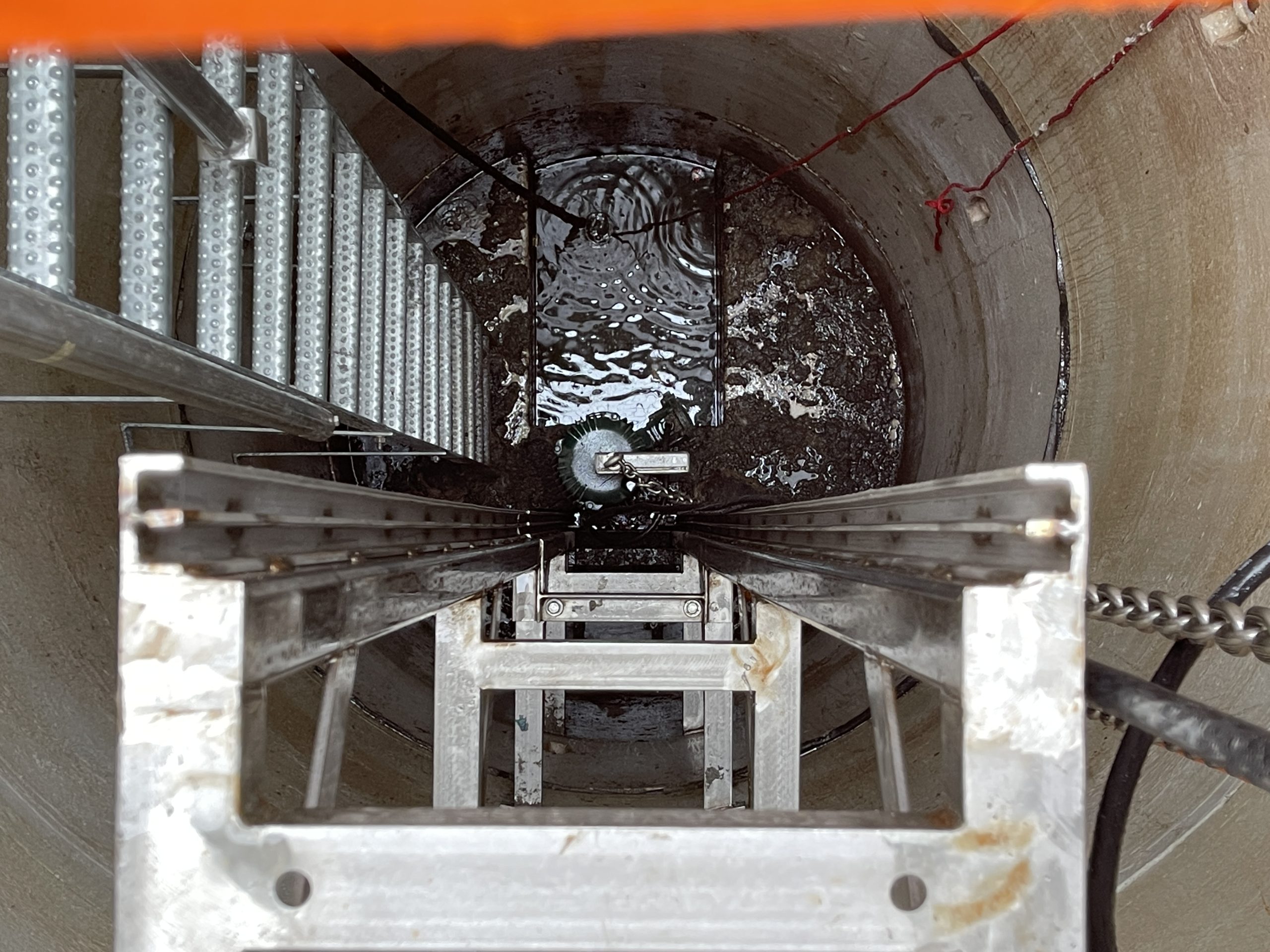
Image credit: romtecutilities.com
As a result, designing a pump station isn’t simply a matter of identifying one flow number and selecting equipment capable of meeting it. Engineers must be aware of the various conditions the system is expected to meet.
Be aware of operating conditions Consider Operating Conditions, not just maximum capacity
It is evident that maximum flow is important, but it represents only one element of station operation. Imagine a system for wastewater designed to provide a high flow rate. In most cases that flow inflows are significantly lower. During these normal operating times, the station should still be functional.
This leads to questions on wet-well sizes, pump operation head conditions, controls, and how equipment reacts as demand changes.
When making a design for a package pumping system it is essential to consider the site requirements and not only the pump capacity.
The Routine for Wastewater
The conditions of the influent at the wastewater liftstation that serves households and businesses, or infrastructure for municipal use may change during the course of its operation.
The system needs to be able to collect water and operate its pumps according to the established control plan by the station. Dimensions of the structure, pumping equipment, valves, pipes, electrical components and controls play a role in that process.
The design could also incorporate particular considerations for the location. Romtec Utilities will incorporate any auxiliary systems, such as grinders vaults or odor-control equipment in the event of need. The result is a station designed to meet the needs of the project, rather than being a general design that can be that can be used for all wastewater facilities.
Stormwater Changes Much More Rapidly
Stormwater offers a completely different operational scenario. In dry conditions it is possible that a stormwater lift facility is likely to not be utilized much. However, during extremely severe weather events the station will be able to witness an increase in the amount of activity. Stations may be part of bigger flood control techniques, such as detention or treatment, so the stormwater plan is an essential element of the design of the system.
When developing these systems, Romtec Utilities considers a variety of aspects, such as the flow rate required and head condition, the dimension of the system, the needs of the site, and environmental considerations.
The layout of a station for a commercial project may differ significantly from the design of a station that is designed to manage stormwater in a municipality.
Head conditions are important along with Flow
The ability to move 1,000 gallons is just part of the engineering task. Engineers must be aware of the direction of this water and the amount of resistance it is likely to encounter.
The head condition of the pump can be affected by a variety of variables such as elevation changes, piping configurations, discharge conditions and other aspects.
The connection between flow and head is one reason simply choosing an appropriate pump based upon a capacity rating doesn’t suffice. The pump technology and station configuration have to suit the hydraulic requirements of the whole application.
Plan for the Conditions that the Station will Experiece
Romtec Utilities designs and develops custom pumping systems designed to meet the needs of wastewater stormwater management, clean water, industrial applications, boosters, and more. The design process begins with preliminary designs budgeting, planning sets, budgeting and system equipment, as well as documentation, testing and startup.
The fundamental concept of engineering is that a real pumping systems can’t function under one condition.
They are faced with fluctuating flows, changing demand, and project-specific hydro requirements. This must be taken into consideration when designing a station that is successful.