Now, think about all the apps that you are using on your smartphone. Think about those apps you use every day without noticing the triggers for habit loops. Your thumb is the only thing that knows which button to click. Behind this easy second-nature interaction lies a lot of human psychology and deep technical engineering. Modern users have an absolute policy against digital friction. If a screen on their mobile stutters even for a fraction of a second, is slow on weak cellular data or drops an email, they will delete the content within a matter of minutes. For founders who have funding and enterprise teams focused on growth and growth, the stakes are more high. The success of a digital product requires more than a stunning website or a sleek surface. It is essential to have the support of a prominent mobile app development company that can improve human retention in the very initial stages of production.
How can we navigate the constantly shifting rules of ecosystems
The development of mobile apps is a specialized field as compared to traditional web design because you are essentially building on moving sand. Apple launches a new operating system every autumn. It implements more stringent privacy policies, is able to retire outdated codes and also changes the process of reviewing apps. Google has a complicated timeline. The notifications are always changing and background processing is updated. The product you are developing could be damaged when your team isn’t focused on these changing guidelines. This will result in bad reviews and broken features. This is precisely why businesses need to ensure that they hire mobile app developers who view their work as an ongoing process rather than just a once-off development sprint. It is the responsibility of release engineering to make sure that automated shipping systems remain functional and secure through every operating system upgrade.
The Technical Crossroads of Native Experiences
When constructing a brand new mobile-friendly roadmap, developers must always reach a point of no return: how the code interacts with physical hardware. Choosing specific iOS app development services gives teams full, uncompromising access to Apple’s latest native frameworks that allow smooth animations, as well as deep connections to specific features such as HealthKit or biometric security. An individualized Android app will ensure that your app is built to run on the broad variety of screen sizes, processing capabilities and devices offered on the market. Native architecture is the absolute high-end option when your business model relies on the use of devices that are heavy, for example, interacting with low-latency Bluetooth accessories monitoring precise real-time locations, or offering frictionless payment flows with native payment systems.
Cross-Platform Engineering: Accelerating production timelines
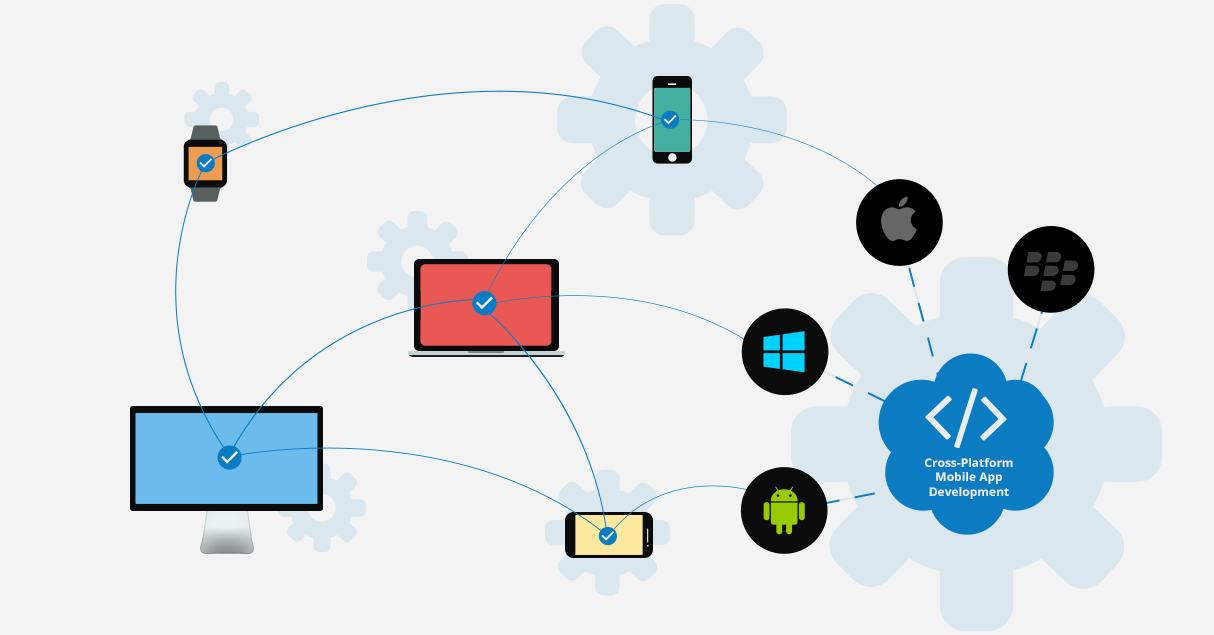
Many companies are growing rapidly and the pressures of funding as well as the competition may make it challenging to launch on two operating systems at once. Choosing an elite cross-platform app development strategy resolves this dilemma by allowing a unified development team to build, test, and maintain a single codebase that runs beautifully on both platforms. This strategy allows businesses to receive real-time feedback from users for a minimal cost. This can also cut down the traditional launch timeline by months. A Flutter-specific company will help brands design stunningly stylized interfaces, with pixel-perfect user interfaces that maintain visual consistency across all platforms. With an established foundation of automated testing and strong background data sync, this cross-platform approach offers the ideal balance of quick market access and speedy execution.
Designing a Sustainable Long-Term User Engagement
At the end of the day, the success of the mobile launch will be evaluated by the longevity of users’ habits, not small-scale spikes in downloads. The most effective mobile architecture integrates the most important triggers for behavior right into the tech stack, ensuring that onboarding flow functions are beneficial within the first 60 seconds and that local data is cached easily during unexpected cellular drops and that notifications systems adhere to the user’s primary focus. If your team wants to build a minimal viable product that is able to be launched quickly to prove its marketability or is building a large enterprise system with strict standards for data conformity The focus on the core is the same. Digital Heroes will help you create a solid digital asset by adhering to a rhythm of engineering which is structured and predictable while respecting the time of your users and device performance.