The amount of digital information generated each day is incredible. Laptops, smartphones, and cloud platforms can generate huge quantities of data. When investigators respond to cybercrime, fraud, insider threats, terrorism, or security breaches at corporate level, the challenge is not finding the data. The problem is finding the correct evidence quickly and precisely.
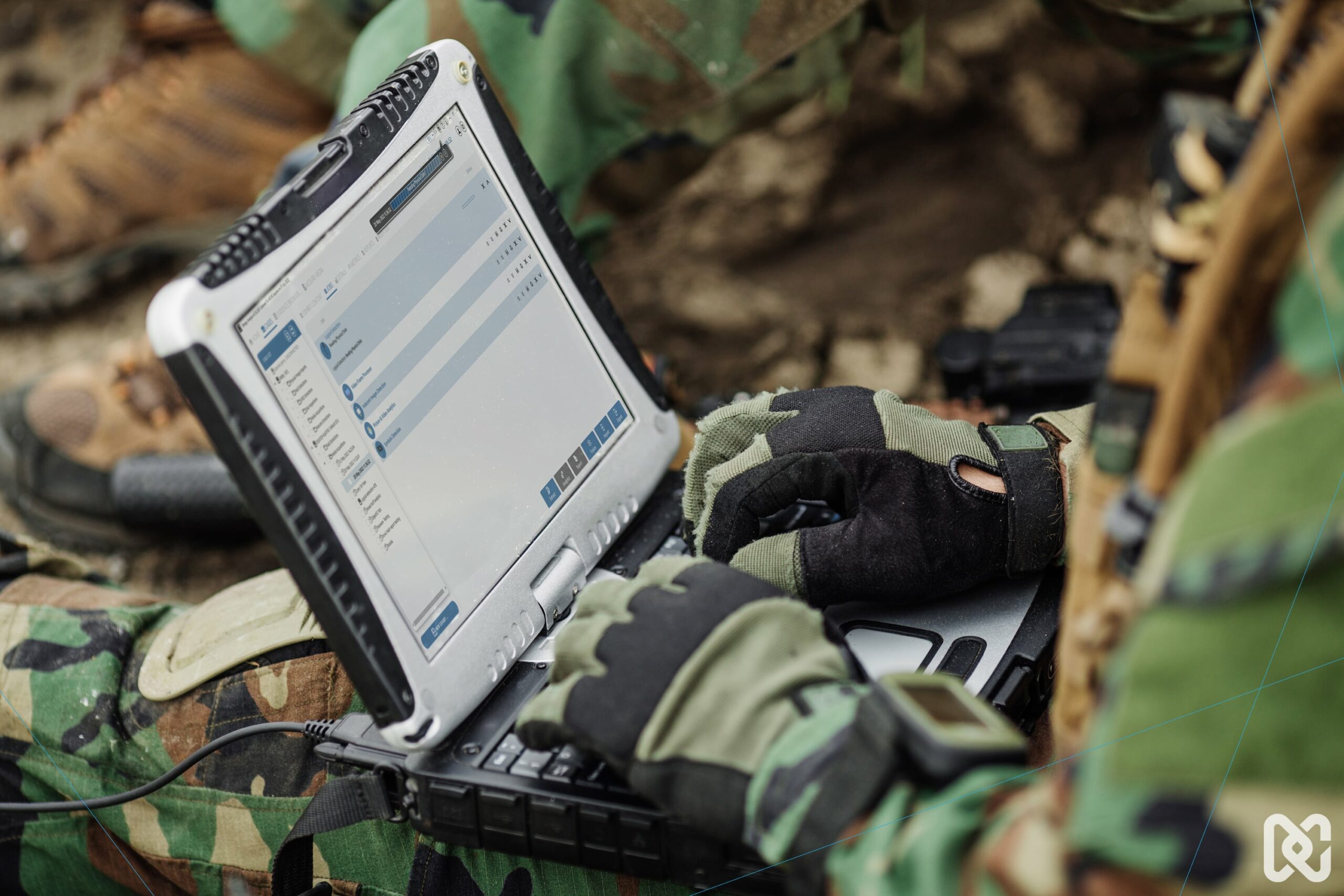
Modern investigations need equipment capable of processing large quantities of data without sacrificing accuracy or the accuracy of forensics. Organizations must equip their teams with the ability to deal with increasingly complicated investigative requirements as the digital environment keeps developing. Advanced Digital forensics platforms have become indispensable for law enforcement agencies, military units, intelligence organizations, and corporate security teams around the world.
The Growing Demand for Speed in Investigations
In numerous investigations, the speed factor is vital. A delay in collecting, analyzing or reporting information can delay decision-making and raise risks to operations. These delays can also cause risks to linger.
Traditional forensic procedures typically involve long acquisition times or manual review procedures and disconnected systems that lead to problems throughout the entire investigation.
The modern investigator requires solutions that can rapidly find evidence using a variety of devices while maintaining the highest standards of accuracy and safety. The faster the acquisition the quicker teams can begin to analyze the evidence. This allows investigators to find actionable information at critical times. Detego Global’s Unified Digital Forensics was created to specifically address these challenges. It can speed up each stage of an investigation, from acquiring evidence to reporting.
Digital Evidence Extends Beyond Computers
In the past primary focus of investigations was on servers and desktops. In the present, evidence can be found nearly everywhere. Mobile devices can store messages photos, call history videos, location data and activity logs. Smart devices generate usage logs. Drones are able to capture images and operational details. Cloud applications can store documents as well as conversations. Even removable media and IoT devices can store important evidence.
Modern computer forensics require a broader approach that is not possible using traditional methods. Investigators need to be able to gather and analyze data from thousands of devices and software. Unified solutions reduce complexity and improve the efficiency of operations.
Artificial Intelligence is Transforming Investigations
Manual analysis is becoming increasingly complicated due to the vast quantity of digital data available. Artificial intelligence is altering the way investigators handle evidence and can help detect patterns, connections, and vital information more quickly than traditional methods by themselves.
AI-powered analytics are able to aid in facial recognition, image classification semantic search and translation, transcription optical character recognition (OCR) objects detection, link analysis, and transcription. These capabilities allow investigators to focus on evidence that is relevant, while taking less time examining irrelevant data.
For those who manage large-scale investigations that require AI, AI-driven Digital Forensics Solutions provide significant advantages, as they improve both speed and accuracy.
The Importance of DFIR in Modern Security Operations
Cyber incidents are becoming more sophisticated and are becoming more frequent in every sector. Ransomware attacks are an everyday event today. They could also be a result of intruder threats, identity theft and data breaches, as well as financial fraud. A systematic approach is needed to detect, limit or investigate incidents. DFIR (Digital Forensics and Incident Response) plays a vital role.
DFIR teams need to collect evidence, comprehend attack techniques to determine the extent of the compromise, and assist recovery efforts while maintaining proper documentation and chain-of custody procedures. Achieving efficiency DFIR operation depends on solid tools that can manage evidence and workflows throughout the entire investigation. Centralized platforms ensure that investigators are in the same place while making sure that crucial information is in the process of response.
Conduct investigations on an integrated platform
One of the most difficult issues many organizations face is the use of numerous tools that aren’t connected. Evidence may be able to be stored in a single system, case notes in another system, reporting tools elsewhere, and investigative workflows managed separately. This inefficiency can be a source of inefficiency, and could increase the chance of making mistakes.
Unified investigation platforms resolve this issue by bringing acquisition, analysis as well as evidence management, workflow tracking and reporting into the same environment. Detego’s system allows investigators manage cases more efficiently while keeping a close eye on every stage of an investigation. Centralized management improves accountability and collaboration while also simplifying compliance requirements.
Helping Both Lab and Field Investigations
Many investigations cannot be conducted in a lab. In many cases the evidence has to be collected in the field. This is the case for airports, police station, border crossings and other remote locations. Frontline personnel must have equipment that is both effective and easy to use, allowing them to quickly move while doing forensic work.
Modern forensic platforms are increasingly helping both field and laboratory operations. Tools that are portable allow investigators to triage cases, identify relevant information, and make an informed decision. This allows for greater operational flexibility and ensures that investigations continue regardless of where they are.
Cyber Security and Digital Forensics Are more connected than ever
Cybersecurity and digital investigations become increasingly crucial as digital threats continue grow.
Digital Forensics is a field that focuses on the investigation of incidents and provides investigative tools for determining the causes of what took place. Together, these areas help organizations strengthen resilience, improve threat detection and respond effectively to threats that are emerging. The ability to quickly collect the data, analyze it, and then use digital evidence is now a crucial component of modern security.
Future of Investigations Will Be faster and smarter.
Digital investigations continue to increase in complexity, as new technology, devices and communication platforms appear. Businesses require solutions that are able to keep pace with this ever-changing environment while also delivering speed, accuracy as well as operational efficiency.
Modern platforms are able to help investigators transform huge amounts of data, including computer forensics and cyber security in to intelligence. They accomplish this by combining AI-powered analytics along with advanced Digital forensics, streamlined DFIR work flows, comprehensive computer forensics software and integrated Cyber Security support.
As organizations continue to demand quick and accurate investigations, integrated forensics tools will become increasingly important in helping them uncover the truth, safeguard vital assets, as as respond confidently to some of today’s biggest cyber-attacks.
June 7, 2026
Why Speed Matters in Digital Forensics Investigations
The amount of digital information generated each day is incredible. Laptops, smartphones, and cloud platforms can generate huge quantities of data. When investigators respond to cybercrime, fraud, insider threats, terrorism, or security breaches at corporate level, the challenge is not finding the data. The problem is finding the correct evidence quickly and precisely.
Modern investigations need equipment capable of processing large quantities of data without sacrificing accuracy or the accuracy of forensics. Organizations must equip their teams with the ability to deal with increasingly complicated investigative requirements as the digital environment keeps developing. Advanced Digital forensics platforms have become indispensable for law enforcement agencies, military units, intelligence organizations, and corporate security teams around the world.
The Growing Demand for Speed in Investigations
In numerous investigations, the speed factor is vital. A delay in collecting, analyzing or reporting information can delay decision-making and raise risks to operations. These delays can also cause risks to linger.
Traditional forensic procedures typically involve long acquisition times or manual review procedures and disconnected systems that lead to problems throughout the entire investigation.
The modern investigator requires solutions that can rapidly find evidence using a variety of devices while maintaining the highest standards of accuracy and safety. The faster the acquisition the quicker teams can begin to analyze the evidence. This allows investigators to find actionable information at critical times. Detego Global’s Unified Digital Forensics was created to specifically address these challenges. It can speed up each stage of an investigation, from acquiring evidence to reporting.
Digital Evidence Extends Beyond Computers
In the past primary focus of investigations was on servers and desktops. In the present, evidence can be found nearly everywhere. Mobile devices can store messages photos, call history videos, location data and activity logs. Smart devices generate usage logs. Drones are able to capture images and operational details. Cloud applications can store documents as well as conversations. Even removable media and IoT devices can store important evidence.
Modern computer forensics require a broader approach that is not possible using traditional methods. Investigators need to be able to gather and analyze data from thousands of devices and software. Unified solutions reduce complexity and improve the efficiency of operations.
Artificial Intelligence is Transforming Investigations
Manual analysis is becoming increasingly complicated due to the vast quantity of digital data available. Artificial intelligence is altering the way investigators handle evidence and can help detect patterns, connections, and vital information more quickly than traditional methods by themselves.
AI-powered analytics are able to aid in facial recognition, image classification semantic search and translation, transcription optical character recognition (OCR) objects detection, link analysis, and transcription. These capabilities allow investigators to focus on evidence that is relevant, while taking less time examining irrelevant data.
For those who manage large-scale investigations that require AI, AI-driven Digital Forensics Solutions provide significant advantages, as they improve both speed and accuracy.
The Importance of DFIR in Modern Security Operations
Cyber incidents are becoming more sophisticated and are becoming more frequent in every sector. Ransomware attacks are an everyday event today. They could also be a result of intruder threats, identity theft and data breaches, as well as financial fraud. A systematic approach is needed to detect, limit or investigate incidents. DFIR (Digital Forensics and Incident Response) plays a vital role.
DFIR teams need to collect evidence, comprehend attack techniques to determine the extent of the compromise, and assist recovery efforts while maintaining proper documentation and chain-of custody procedures. Achieving efficiency DFIR operation depends on solid tools that can manage evidence and workflows throughout the entire investigation. Centralized platforms ensure that investigators are in the same place while making sure that crucial information is in the process of response.
Conduct investigations on an integrated platform
One of the most difficult issues many organizations face is the use of numerous tools that aren’t connected. Evidence may be able to be stored in a single system, case notes in another system, reporting tools elsewhere, and investigative workflows managed separately. This inefficiency can be a source of inefficiency, and could increase the chance of making mistakes.
Unified investigation platforms resolve this issue by bringing acquisition, analysis as well as evidence management, workflow tracking and reporting into the same environment. Detego’s system allows investigators manage cases more efficiently while keeping a close eye on every stage of an investigation. Centralized management improves accountability and collaboration while also simplifying compliance requirements.
Helping Both Lab and Field Investigations
Many investigations cannot be conducted in a lab. In many cases the evidence has to be collected in the field. This is the case for airports, police station, border crossings and other remote locations. Frontline personnel must have equipment that is both effective and easy to use, allowing them to quickly move while doing forensic work.
Modern forensic platforms are increasingly helping both field and laboratory operations. Tools that are portable allow investigators to triage cases, identify relevant information, and make an informed decision. This allows for greater operational flexibility and ensures that investigations continue regardless of where they are.
Cyber Security and Digital Forensics Are more connected than ever
Cybersecurity and digital investigations become increasingly crucial as digital threats continue grow.
Digital Forensics is a field that focuses on the investigation of incidents and provides investigative tools for determining the causes of what took place. Together, these areas help organizations strengthen resilience, improve threat detection and respond effectively to threats that are emerging. The ability to quickly collect the data, analyze it, and then use digital evidence is now a crucial component of modern security.
Future of Investigations Will Be faster and smarter.
Digital investigations continue to increase in complexity, as new technology, devices and communication platforms appear. Businesses require solutions that are able to keep pace with this ever-changing environment while also delivering speed, accuracy as well as operational efficiency.
Modern platforms are able to help investigators transform huge amounts of data, including computer forensics and cyber security in to intelligence. They accomplish this by combining AI-powered analytics along with advanced Digital forensics, streamlined DFIR work flows, comprehensive computer forensics software and integrated Cyber Security support.
As organizations continue to demand quick and accurate investigations, integrated forensics tools will become increasingly important in helping them uncover the truth, safeguard vital assets, as as respond confidently to some of today’s biggest cyber-attacks.
Recent News
Why Speed Matters in Digital Forensics Investigations
Read More »Synthetic vs. Human Extensions: Choosing the Right Fiber for Your Sensitive Scalp and Budget
Read More »Decoding the Prime Cost Formula: The Only Financial Metric That Determines a Restaurant’s Survival
Read More »How Low-Calorie Bread Supports Sustainable Lifestyle Changes
Read More »Advanced Solutions for Hair Thinning: Evaluating the Difference Between K-Tips and Mesh Integration
Read More »The Hidden Dangers of Automated Drive-Through Car Washes
Read More »